La cirugía refractiva permite corregir miopía, hipermetropía y astigmatismo mediante técnicas avanzadas y personalizadas, ayudándote a reducir la dependencia de gafas o lentillas y disfrutar de una visión de alta calidad.


Cirugía Refractiva – ICL
La cirugía refractiva con implante de lente fáquica EVO ICL® permite corregir defectos refractivos (miopía, hipermetropía y astigmatismo) sin comprometer la anatomía corneal. Disfrute de una vida de libertad visual, sin comprometer su futuro. Son lentes blandas y flexibles colocadas en el interior del ojo, entre el iris (estructura que da color al ojo) y el cristalino.
Se trata de un procedimiento aditivo, en el que se introduce una lente biocompatible en el ojo sin eliminar tejido corneal ni alterar ninguna otra estructura, de tal manera que se respeta toda la anatomía ocular y la lente funciona en perfecta armonía para mejorar su agudeza visual sin corrección.
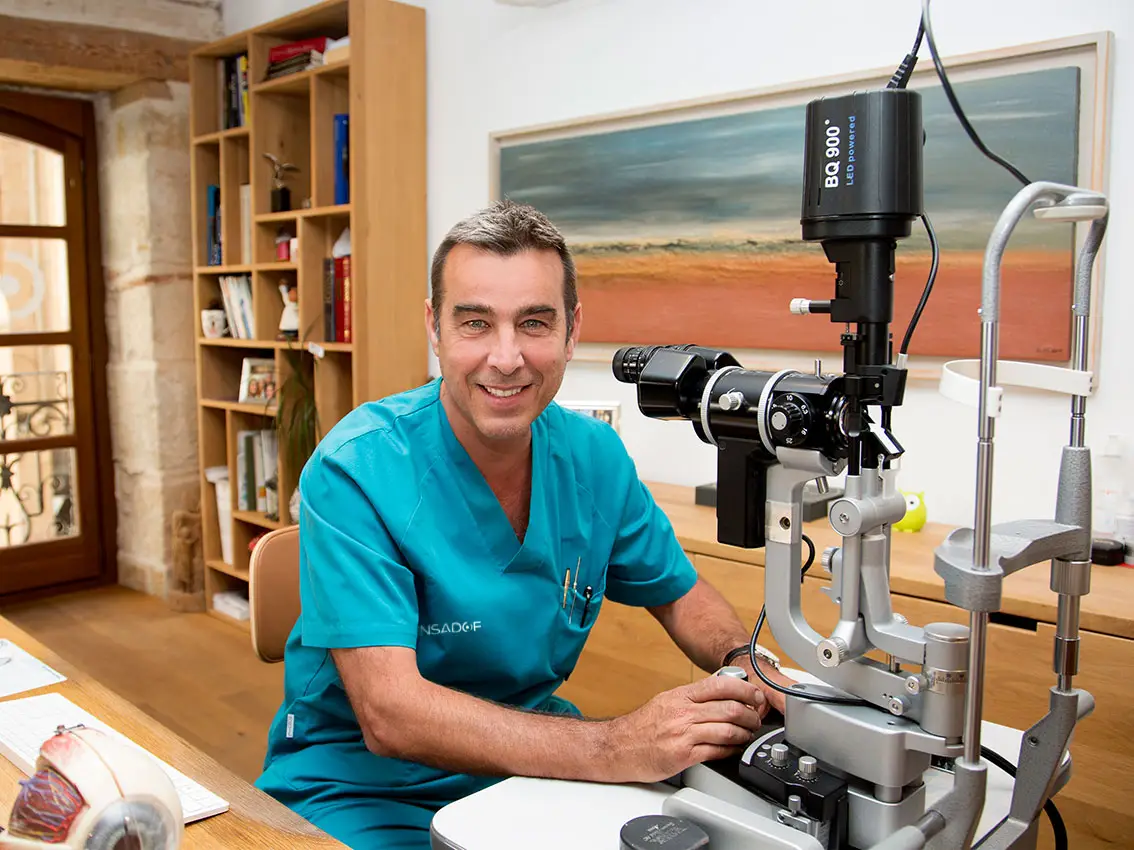
Dr. Ernesto Alonso Juárez
Oftalmólogo (Director médico) – Amplia experiencia quirúrgica en todas las áreas de oftalmología, fundamentalmente en cirugía de polo anterior y posterior e implantes de ICL (cirugía refractiva).
de los pacientes volvería a someterse a la intervención con las lentes ECO Visian ICL
de ICL en todo el mundo para disfrutar de una visión excepcional
de experiencia clínica avalan la seguridad, eficacia y excelentes resultados de las lentes EVO Visian ICL.
1. Packer M. Evaluation of the EVO/EVO+ Sphere and Toric Visian ICL: Six month results from the United States Food and Drug Administration clinical trial. Clinical Ophthalmology. 2022;16:1541-53.
2. Ganesh S, Brar S, Pawar A. Matched population comparison of visual outcomes and patient satisfaction between 3 modalities for the correction of low to moderate myopic astigmatism. Clin Ophthalmol. 2017;11:1253-1263.
3. Naves J.S, Carracedo G, Cacho-Babillo I, Diadenosine nucleotid measurements as dry-eye score in patients after LASIK and ICL surgery. Presented at American Society of Cataract and Refractive Surgery (ASCRS) 2012.
4. Kohnen T. Phakic intraocular lenses: Where are we now? J Cataract Refract Surg. 2018;44(2):121-123.
5. Packer M. Evaluation of the EVO/EVO+ Sphere and Toric Visian ICL: Six month results from the United States Food and Drug Administration clinical trial. Clinical Ophthalmology. 2022;16:1541-53.
6. Martínez-Plaza E, López-Miguel A, López-de la Rosa A, et al. Effect of the EVO+ Visian Phakic Implantable Collamer Lens on Visual Performance and Quality of Vision and Life, Am J Ophthalmol 2021;226:117-125.

Testimonio de Dra. Sara Infante

Testimonio de Martín Durán Calzada


Dra. Lucía Cabrillo Estévez. Clínica INSADOF
1. Packer M. Evaluation of the EVO/EVO+ Sphere and Toric Visian ICL: Six month results from the United States Food and Drug Administration clinical trial. Clinical Ophthalmology. 2022;16:1541-53.
2. Ganesh S, Brar S, Pawar A. Matched population comparison of visual outcomes and patient satisfaction between 3 modalities for the correction of low to moderate myopic astigmatism. Clin Ophthalmol. 2017;11:1253-1263.
3. Naves J.S, Carracedo G, Cacho-Babillo I, Diadenosine nucleotid measurements as dry-eye score in patients after LASIK and ICL surgery. Presented at American Society of Cataract and Refractive Surgery (ASCRS) 2012.
4. Kohnen T. Phakic intraocular lenses: Where are we now? J Cataract Refract Surg. 2018;44(2):121-123.
5. Packer M. Evaluation of the EVO/EVO+ Sphere and Toric Visian ICL: Six month results from the United States Food and Drug Administration clinical trial. Clinical Ophthalmology. 2022;16:1541-53.
6. Martínez-Plaza E, López-Miguel A, López-de la Rosa A, et al. Effect of the EVO+ Visian Phakic Implantable Collamer Lens on Visual Performance and Quality of Vision and Life, Am J Ophthalmol 2021;226:117-125.
El no alterar la córnea, da lugar a una serie de ventajas de la cirugía con implante de ICL respecto a la cirugía corneal:
• La cirugía con implante de lente ICL ofrece al paciente una excelente calidad visual 1
• El implante de la lente es reversible, es decir, puede ser retirada del ojo sin alterar ninguna otra estructura ocular
• Esta técnica quirúrgica no causa ni agrava sintomatología de sequedad ocular 2,3
• Permite preservar la córnea y el cristalino para el futuro 4,5
• El material de la lente, el colámero, proporciona protección ultravioleta
• Permite una mejora en la calidad visual y sensibilidad al contraste en visión nocturna 6
• Es un proceso rápido y cómodo para los pacientes, que experimentan una mejoría de la visión casi inmediata.
1. Packer M. Evaluation of the EVO/EVO+ Sphere and Toric Visian ICL: Six month results from the United States Food and Drug Administration clinical trial. Clinical Ophthalmology. 2022;16:1541-53.
2. Ganesh S, Brar S, Pawar A. Matched population comparison of visual outcomes and patient satisfaction between 3 modalities for the correction of low to moderate myopic astigmatism. Clin Ophthalmol. 2017;11:1253-1263.
3. Naves J.S, Carracedo G, Cacho-Babillo I, Diadenosine nucleotid measurements as dry-eye score in patients after LASIK and ICL surgery. Presented at American Society of Cataract and Refractive Surgery (ASCRS) 2012.
4. Kohnen T. Phakic intraocular lenses: Where are we now? J Cataract Refract Surg. 2018;44(2):121-123.
5. Packer M. Evaluation of the EVO/EVO+ Sphere and Toric Visian ICL: Six month results from the United States Food and Drug Administration clinical trial. Clinical Ophthalmology. 2022;16:1541-53.
6. Martínez-Plaza E, López-Miguel A, López-de la Rosa A, et al. Effect of the EVO+ Visian Phakic Implantable Collamer Lens on Visual Performance and Quality of Vision and Life, Am J Ophthalmol 2021;226:117-125.
1. Packer M. Evaluation of the EVO/EVO+ Sphere and Toric Visian ICL: Six month results from the United States Food and Drug Administration clinical trial. Clinical Ophthalmology. 2022;16:1541-53.
2. Ganesh S, Brar S, Pawar A. Matched population comparison of visual outcomes and patient satisfaction between 3 modalities for the correction of low to moderate myopic astigmatism. Clin Ophthalmol. 2017;11:1253-1263.
3. Naves J.S, Carracedo G, Cacho-Babillo I, Diadenosine nucleotid measurements as dry-eye score in patients after LASIK and ICL surgery. Presented at American Society of Cataract and Refractive Surgery (ASCRS) 2012.
4. Kohnen T. Phakic intraocular lenses: Where are we now? J Cataract Refract Surg. 2018;44(2):121-123.
5. Packer M. Evaluation of the EVO/EVO+ Sphere and Toric Visian ICL: Six month results from the United States Food and Drug Administration clinical trial. Clinical Ophthalmology. 2022;16:1541-53.
6. Martínez-Plaza E, López-Miguel A, López-de la Rosa A, et al. Effect of the EVO+ Visian Phakic Implantable Collamer Lens on Visual Performance and Quality of Vision and Life, Am J Ophthalmol 2021;226:117-125.
Las lentes EVO ICL están indicadas para pacientes con determinados defectos refractivos que buscan una alternativa eficaz para reducir la dependencia de gafas o lentillas. Una valoración oftalmológica personalizada determinará si este tratamiento es el más adecuado para ti.
Candidatos para ICL

En INSADOF llevamos más de 25 años dedicados a la cirugía con lentes EVO ICL. Nuestra experiencia clínica se complementa con una intensa actividad investigadora, reflejada en publicaciones científicas internacionales como Clinical Ophthalmology y en el desarrollo de protocolos propios de medición y un nomograma quirúrgico para optimizar la selección de la lente. Este compromiso con la investigación nos permite ofrecer tratamientos cada vez más precisos, seguros y personalizados para cada paciente.
Clinical Ophthalmology (enlace)
Foto: Dra. Lucía Cabrillo Estévez y Dr. Ernesto Alonso participan como ponentes en congresos oftalmológicos internacionales
Foto: Dra. Lucía Cabrillo Estévez y Dr. Ernesto Alonso participan como ponentes en congresos oftalmológicos internacionales
Foto: Dra. Lucía Cabrillo Estévez y Dr. Ernesto Alonso participan como ponentes en congresos oftalmológicos internacionales
Foto: Dra. Lucía Cabrillo Estévez y Dr. Ernesto Alonso participan como ponentes en congresos oftalmológicos internacionales
